After completing concrete enhancements such as new floors, patios, or foundations, many homeowners focus on the visual and structural improvements while overlooking how these changes can impact their HVAC system. Concrete work often generates fine dust and debris that can linger in the air and settle within ductwork, filters, and vents. Even after cleanup, these particles may continue circulating throughout the home, affecting air quality and system efficiency. Understanding how recent concrete projects influence your HVAC system is the first step toward maintaining a comfortable and healthy indoor environment.
Addressing Dust and Airflow Concerns
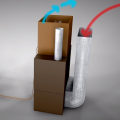
One of the most common issues following concrete work is reduced airflow caused by dust accumulation. Fine particles can clog air filters, restrict airflow, and force your HVAC system to work harder than necessary. This can lead to increased energy consumption and unnecessary wear on system components. To address this, homeowners should replace or clean air filters more frequently in the weeks following construction. In some cases, scheduling a professional duct cleaning can help remove any remaining debris and restore proper airflow. Taking these steps ensures that your HVAC system operates efficiently and continues to provide consistent comfort.
Inspecting and Maintaining System Components
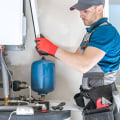
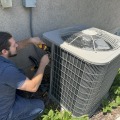
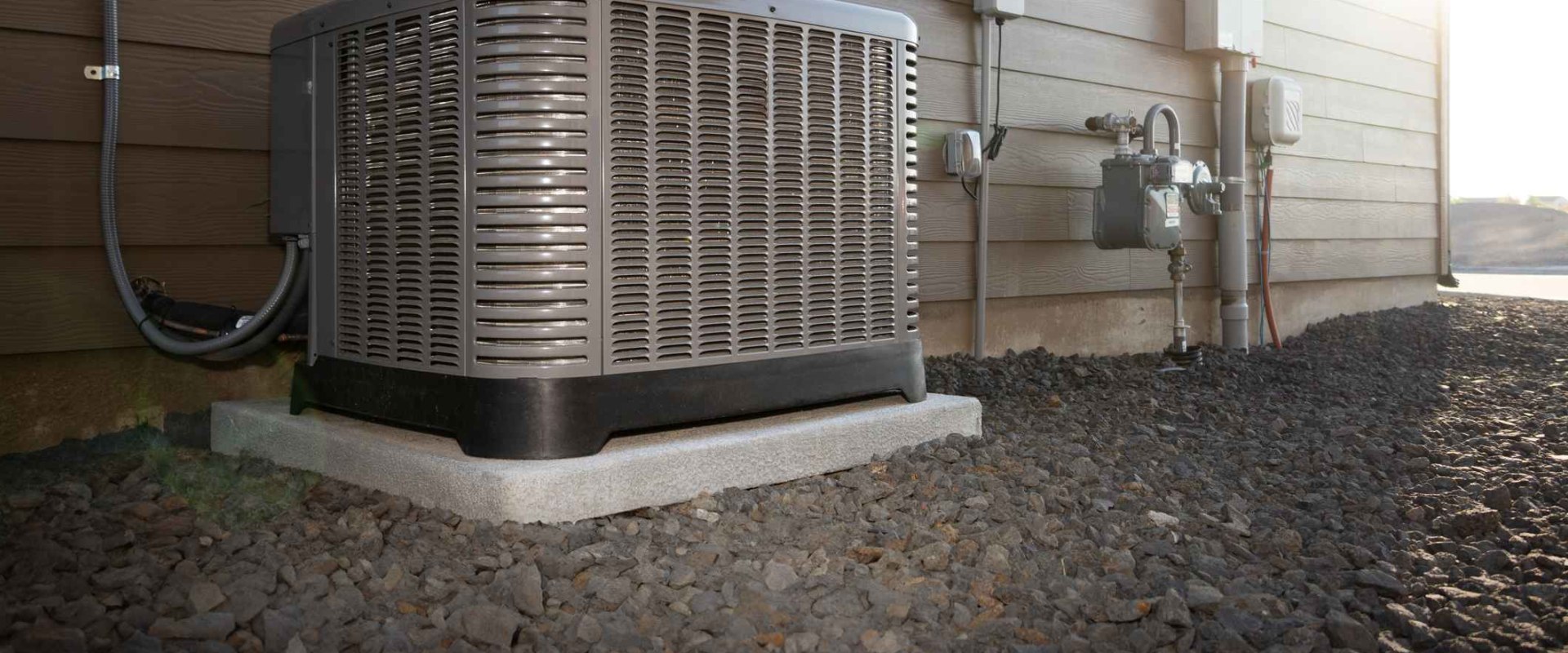
Concrete enhancements can also affect other aspects of your HVAC system, including vents, registers, and mechanical components. Dust and debris may settle in hard-to-reach areas, potentially causing long-term issues if not addressed. A thorough inspection by an HVAC professional can help identify any areas that need cleaning or maintenance. This includes checking for blockages, ensuring that vents are unobstructed, and verifying that all components are functioning correctly. Regular maintenance not only improves system performance but also extends the lifespan of your HVAC equipment.
Improving Indoor Air Quality After Construction
Maintaining indoor air quality is especially important after completing concrete projects. Dust particles left behind can trigger allergies, cause respiratory discomfort, and create an overall unpleasant environment. In addition to cleaning and maintenance, homeowners can use air purifiers or increase ventilation to help remove lingering contaminants. Keeping windows closed during high-dust periods and regularly wiping down surfaces can also minimize the spread of particles. For those seeking additional guidance on maintaining a clean and efficient system, it’s always helpful to learn more about best practices and professional services available.
Long-Term Benefits of Post-Construction HVAC Care
Taking the time to address HVAC needs after concrete enhancements offers long-term benefits that go beyond immediate comfort. A clean and well-maintained system operates more efficiently, reduces energy costs, and provides better air quality for your household. It also minimizes the risk of future repairs caused by dust-related wear and tear. By incorporating HVAC care into your post-construction routine, you ensure that your home remains a safe, comfortable, and energy-efficient space. Proper attention to your system after concrete work is a smart investment that supports both your home’s performance and your overall well-being.