HVAC systems and plumbing infrastructure are more interconnected than many homeowners realize, especially when it comes to managing moisture, condensation, and overall system efficiency. Heating and cooling units, particularly high-efficiency models, generate condensation that must be properly drained to prevent water buildup. If these drainage systems fail or become clogged, excess moisture can seep into surrounding areas, potentially affecting nearby pipes and plumbing components. Recognizing this connection is essential for maintaining both systems effectively and preventing costly damage over time.
Managing Condensate Drainage to Prevent Damage
One of the most critical HVAC service essentials is ensuring that condensate lines are functioning properly. These lines carry moisture away from the system, but if they become blocked or damaged, water can back up and overflow. This can lead to corrosion, mold growth, and damage to adjacent plumbing infrastructure. Regular cleaning and inspection of condensate lines help prevent these issues and ensure that water is directed safely away from the home. In some cases, homeowners dealing with concerns like fluctuating water pressure in Dallas may find that underlying HVAC-related moisture issues are contributing to broader plumbing challenges. Addressing both systems together helps identify and resolve these overlapping concerns.
Maintaining Proper Airflow and System Balance
Proper airflow within an HVAC system also plays a role in protecting plumbing infrastructure. When airflow is restricted due to dirty filters or blocked vents, the system may work harder, leading to increased humidity levels inside the home. Excess humidity can affect pipes, especially in areas like basements or utility rooms, where condensation may form on plumbing surfaces. Regular filter replacement, duct cleaning, and system checks help maintain balanced airflow, reducing moisture buildup and minimizing the risk of damage to plumbing components.
Coordinating HVAC and Plumbing Maintenance
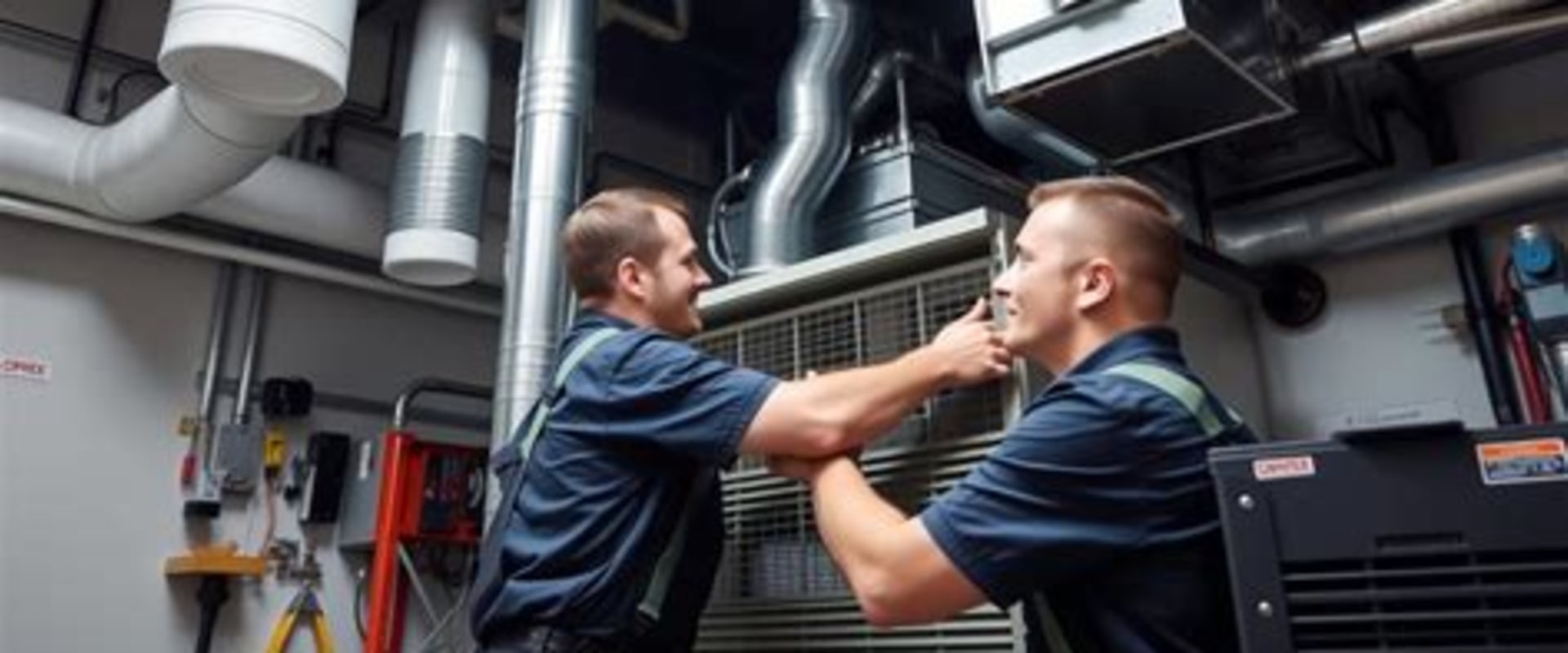
Coordinating HVAC service with plumbing maintenance creates a more comprehensive approach to home care. Scheduling inspections for both systems at the same time allows professionals to identify shared issues, such as drainage problems or moisture accumulation, that might otherwise go unnoticed. For example, a technician servicing an HVAC unit may detect signs of water leakage that a plumber can address, preventing further damage. This collaborative approach ensures that all systems work together efficiently, reducing the likelihood of recurring problems and improving overall performance.
Long-Term Benefits of Integrated System Care
Integrating HVAC service with plumbing maintenance offers significant long-term benefits for homeowners. By proactively managing moisture, maintaining proper airflow, and ensuring efficient drainage, both systems can operate more effectively and last longer. This reduces the need for frequent repairs and lowers overall maintenance costs. Additionally, a well-maintained home environment improves comfort, air quality, and energy efficiency. Ultimately, understanding and addressing the connection between HVAC systems and plumbing infrastructure allows homeowners to protect their investment and maintain a safe, efficient, and reliable living space for years to come.