Seasonal home maintenance is not just about keeping up appearances—it is a structured way to protect a home’s value, efficiency, and livability throughout the year. Each season introduces different environmental stresses, from pollen and humidity in spring to heavy heat demands in summer, falling debris in autumn, and colder air fluctuations in winter. HVAC systems quietly adjust to these shifts behind the scenes, while exterior surfaces absorb the visible impact of weather and organic growth. When homeowners treat maintenance as a seasonal rhythm rather than a reaction to breakdowns, they dramatically reduce the risk of costly emergencies and prevent small issues from turning into major repairs. This proactive mindset creates a safer, healthier, and more comfortable home that adapts smoothly as conditions change.
Spring and Summer: Airflow, Cooling, and Exterior Revival
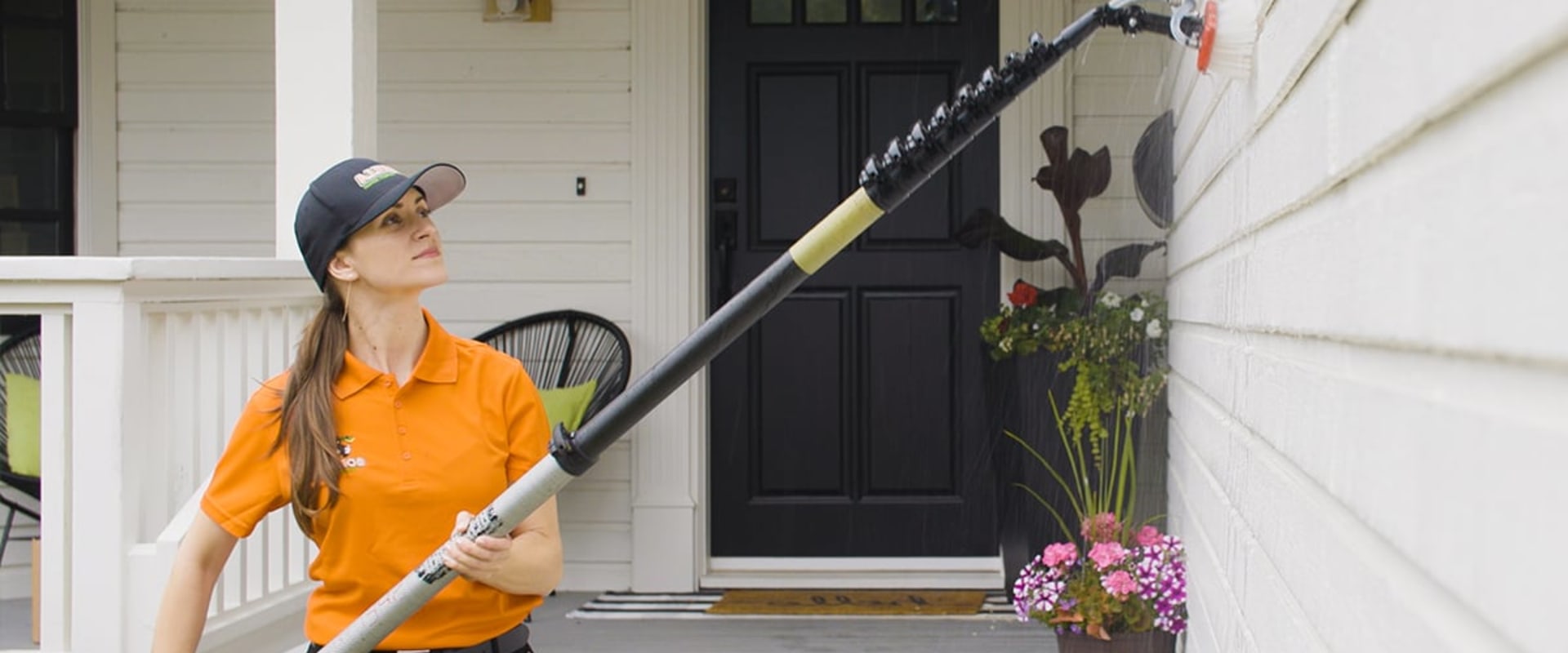
Spring is the ideal time to prepare HVAC systems for the heavy workload of summer. Filters should be replaced, coils cleaned, and system performance tested to ensure efficient cooling during peak heat. Without this preparation, the system must work harder, leading to higher energy bills and unnecessary wear. At the same time, exterior surfaces begin to show signs of mildew, pollen buildup, and algae as temperatures rise and humidity increases. This is when services like pressure washing in Longwood become especially valuable, restoring siding, driveways, roofs, and patios while preventing organic growth from spreading deeper into materials. Together, HVAC tuning and softwash cleaning create a powerful seasonal reset—cool, clean indoor air paired with refreshed outdoor spaces that are ready for summer living, entertaining, and increased home activity.
Fall Preparations and Winter Protection
As summer fades into fall, homeowners should shift focus from cooling to heating efficiency and weather resistance. HVAC inspections during this season ensure that furnaces or heat pumps are ready for consistent use as temperatures drop. Ductwork and vents benefit from inspection as well, since dust and debris accumulated over the warmer months can circulate once heating systems activate. On the exterior, fall maintenance removes leaves, dirt, and organic residue that can trap moisture against surfaces throughout the winter. Softwashing before colder weather helps prevent staining, material decay, and slippery buildup caused by lingering algae and mold. This coordinated transition from summer to fall strengthens the home’s defenses against cold stress while maintaining structural and aesthetic integrity.
Long-Term Benefits of a Year-Round Maintenance Cycle
Following a seasonal HVAC and softwash routine does more than solve immediate issues—it establishes a long-term cycle of protection and efficiency. HVAC systems maintained on schedule operate more smoothly, consume less energy, and last longer before major replacement is needed. Exterior surfaces that are cleaned regularly resist premature aging, cracking, and discoloration, preserving both structural performance and curb appeal. These benefits also extend into resale value, as documented seasonal care signals to buyers that the property has been responsibly maintained. More importantly, homeowners experience consistent comfort rather than fluctuating performance, enjoying stable indoor temperatures, improved air quality, and outdoor spaces that remain usable and visually appealing year-round.
A Balanced Approach to Comfort, Appearance, and Control
A seasonal home maintenance guide that combines HVAC service with softwash services offers homeowners a balanced approach to both comfort and control. Instead of reacting to breakdowns, inefficiencies, or sudden visual decline, homeowners take charge of their living environment through structured planning. This approach reduces stress, saves time, and shifts the experience of homeownership from constant vigilance to confident stewardship. Each season becomes an opportunity to reset, protect, and improve the home in a way that aligns with natural weather cycles. Over time, this rhythm creates not only a cleaner and more efficient property, but also a more predictable, comfortable, and satisfying way to live within it.