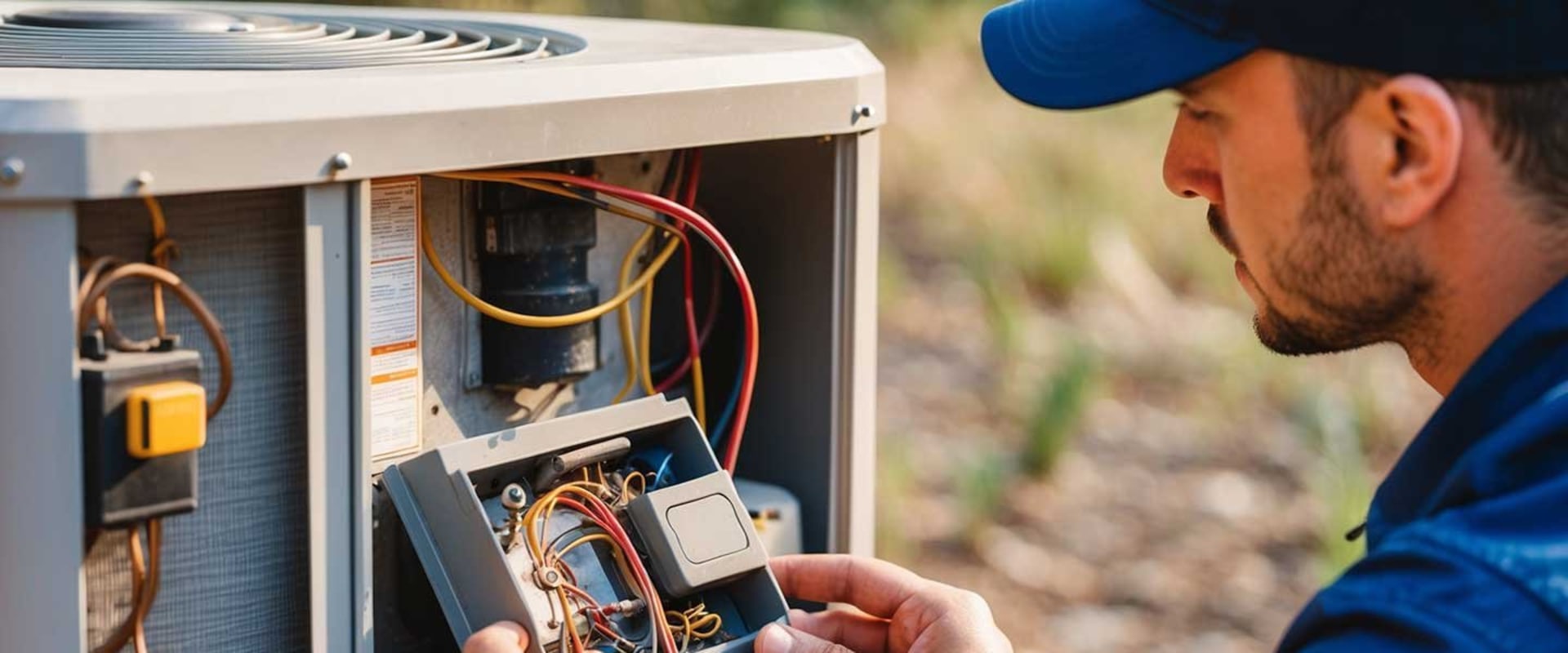
After peak moving season wraps up, HVAC companies often experience a noticeable surge in service requests. Homeowners who have just relocated begin turning systems on consistently, sometimes for the first time in weeks or months. This sudden return to regular use exposes hidden issues that went unnoticed during vacancy or light operation. From poor airflow to system failures, post-move HVAC problems are common—and they drive a spike in demand that catches many homeowners by surprise.
Systems Under Stress After Inactivity
One major reason HVAC demand rises after moving season is system inactivity. During a move, homeowners often reduce usage to save energy or because the home is temporarily empty. Filters clog with settled dust, lubricants thicken, and components sit idle. When the system is restarted under full load, weaknesses surface quickly. Motors strain, sensors misread temperatures, and airflow becomes uneven. These issues don’t always show up immediately, but once occupants settle in and rely on consistent heating or cooling, performance problems become obvious.
Increased Load From Everyday Living
Once a move is complete, HVAC systems face a sharp increase in demand. Daily cooking, showering, laundry, and electronics all contribute to heat and humidity loads that weren’t present during vacancy. Systems that were marginal before may suddenly struggle to keep up. This transition from low to high usage is a key driver behind post-move service calls, as homeowners realize comfort levels aren’t meeting expectations.
Dust, Debris, and Indoor Air Quality Issues
Moving stirs up dust—lots of it. Boxes, furniture, and foot traffic redistribute particles throughout the home, many of which end up in ductwork and filters. When HVAC systems run continuously after move-in, they circulate this buildup, leading to poor air quality, musty odors, and visible dust from vents. Homeowners often respond by calling for inspections, filter changes, or duct cleaning, further increasing service demand.
Missed Maintenance Before the Move
Moving season is busy, and routine HVAC maintenance often gets postponed. Homeowners prioritize packing, logistics, and deadlines, leaving tune-ups for “later.” After the move, deferred maintenance catches up fast. What might have been a simple filter change or minor adjustment becomes an urgent service call when comfort is compromised. This backlog of missed maintenance contributes heavily to the post-move spike.
Weather Timing and Seasonal Transitions
Moving season frequently overlaps with seasonal weather changes. Late spring and summer moves transition into hotter months, while fall moves lead into colder temperatures. As homeowners settle in and weather extremes arrive, HVAC systems are tested more intensely. Units that handled mild conditions may fail under seasonal stress, prompting an influx of repair requests right after moving season ends.
New Homes, Old Systems
Many people move into homes with unfamiliar HVAC systems. Differences in system size, age, or efficiency can create unexpected challenges. A unit that worked fine for previous occupants may not suit new usage patterns or comfort preferences. Homeowners often discover limitations only after living in the space, leading to evaluations, upgrades, or repairs soon after move-in.
How Moving Logistics Contribute Indirectly
Moving itself can affect HVAC systems. Frequent door openings disrupt temperature balance, and vibration from moving heavy items can loosen duct connections or affect components. When coordinating complex logistics—such as large item transport in Austin these disruptions are common, and their effects may not be noticed until the system is running regularly again.
What This Means for Homeowners
For homeowners, the post-moving-season HVAC surge means longer wait times and potentially higher service costs due to demand. Planning ahead is key. Scheduling inspections, replacing filters, and testing systems before or immediately after moving in can prevent emergencies. Being proactive helps avoid discomfort and reduces the likelihood of competing for service during peak demand periods.
Preparing for Comfort After the Move
HVAC service demand spikes after moving season because systems are reactivated, stressed, and finally used as intended. Understanding this pattern empowers homeowners to plan maintenance strategically. A little foresight ensures that once the boxes are unpacked, comfort—not callbacks—defines life in the new home.