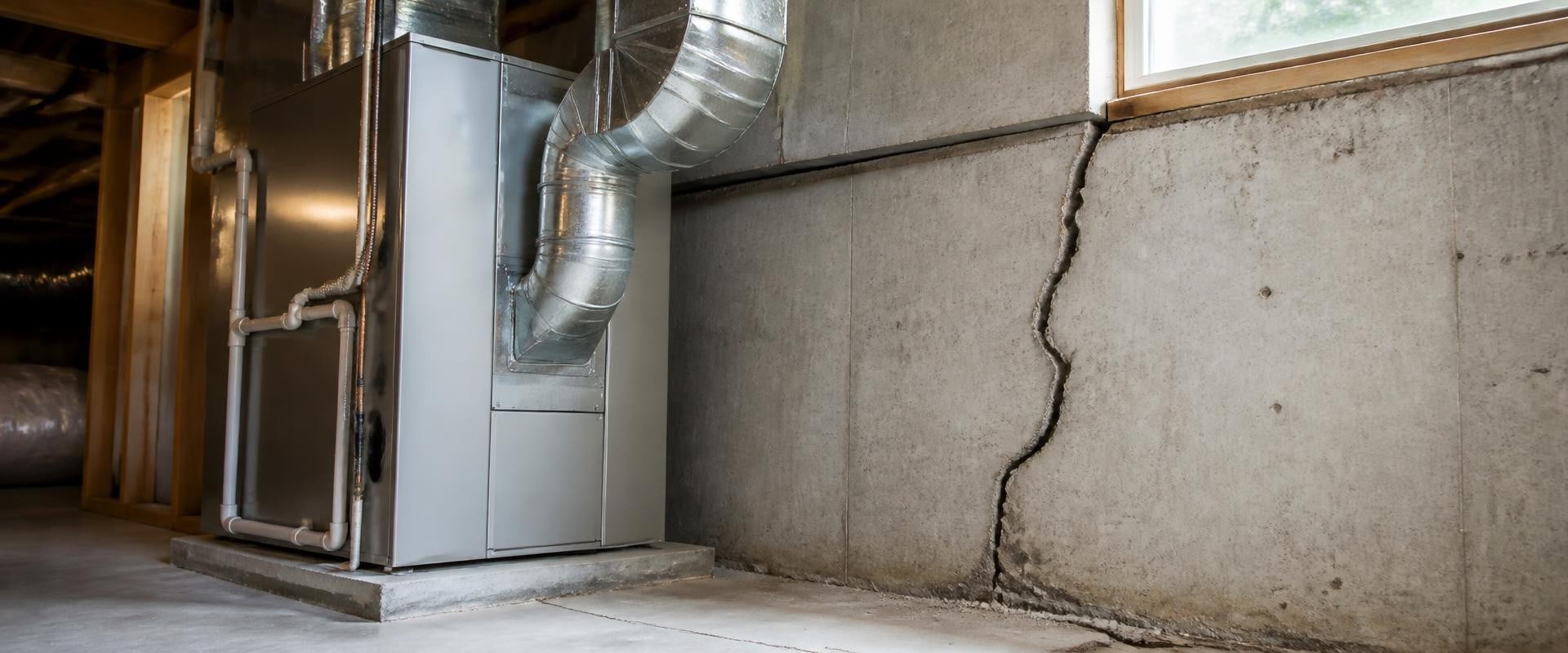
Heating, ventilation, and air conditioning systems depend on more than mechanical equipment alone. Ductwork, refrigerant lines, drain pipes, electrical connections, vents, and equipment platforms are all installed within or around the structure of a building. When a foundation settles unevenly or other structural movement occurs, these components may shift from their original positions. Even relatively small changes can sometimes affect airflow, drainage, equipment alignment, or the integrity of HVAC connections. Recognizing this relationship can help property owners understand why recurring HVAC problems may occasionally require a closer look at the condition of the building itself.
Ductwork Can Shift or Separate
Duct systems often run through crawl spaces, attics, ceilings, walls, or beneath floors. If structural framing moves, duct sections may be pulled, compressed, or shifted out of alignment. Joints can separate, flexible ducts may sag, and rigid ducts can develop gaps. These problems may allow conditioned air to escape before it reaches living spaces, leading to uneven temperatures or longer system run times. When HVAC issues occur alongside sloping floors, wall cracks, or sticking doors, professionals such as Bats Foundation Repair may help determine whether foundation movement is contributing to changes in the structure.
Equipment May Become Uneven
HVAC equipment generally performs best when it is installed on a stable and level surface. Furnaces, air handlers, outdoor condensers, and other mechanical components can be affected when slabs, floors, or support structures shift. A unit that becomes noticeably tilted may experience vibration, drainage problems, or added strain on connected pipes and wiring. Structural movement does not automatically mean the equipment will fail, but checking alignment can be worthwhile when changes in building level are already known.
Refrigerant Lines Can Experience Stress
Air conditioning and heat pump systems use refrigerant lines that connect indoor and outdoor equipment. These lines may pass through walls, floor systems, or other structural openings. When different sections of the building move, the lines can experience tension at fittings, bends, or connection points. In some cases, repeated stress may contribute to leaks or other mechanical concerns. HVAC technicians can inspect vulnerable connections while structural professionals evaluate whether movement is continuing.
Condensate Drainage May Be Affected
Air conditioning systems generate condensation that must drain properly. Drain lines depend on suitable slope so water can flow away from the equipment. Structural movement may alter this slope, creating low points where water collects or causing drainage to become slower. Blockages, leaks, or overflowing drain pans may then develop. Moisture from drainage problems can also damage nearby flooring, framing, or insulation, making it important to identify both the mechanical and structural causes.
Vents and Registers May Become Misaligned
Changes in floors, walls, or ceilings can affect vents and registers as well. Gaps may develop around grilles, floor registers can become uneven, and wall-mounted vents may no longer sit flush against surrounding surfaces. While these issues may appear cosmetic, they can sometimes indicate that framing or finishes have shifted. Misalignment may also allow unwanted air leakage around the duct opening.
Repeated HVAC Repairs May Signal a Larger Issue
When the same duct connections, drains, or equipment alignments require repeated correction, property owners should consider whether something beyond normal wear is involved. Repairing HVAC components without addressing ongoing structural movement could allow the problem to return.
Coordinate Structural and HVAC Inspections
Structural movement can influence HVAC performance in several ways, from duct leakage and drainage problems to stressed lines and uneven equipment. Coordinating HVAC inspections with structural evaluation can provide a more complete picture when multiple symptoms appear together. Addressing the underlying movement while repairing affected mechanical components can help improve system reliability, reduce recurring problems, and support more consistent heating and cooling throughout the building.