Heating, ventilation, and air conditioning systems normally make some sound while operating, but sudden or unusual noises can signal that something is not working as it should. Homeowners often become familiar with the typical hum of an HVAC system, so new rattling, banging, squealing, or grinding sounds should not be ignored. These noises may point to loose parts, airflow problems, worn components, or mechanical issues that could become more serious over time. Paying attention to changes in sound can help identify developing problems before they lead to reduced comfort, higher energy use, or unexpected system failure.
Rattling and Vibrating Sounds
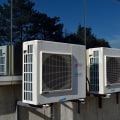
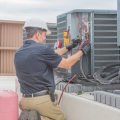
Rattling is one of the more common HVAC noises and can have several causes. Loose screws, panels, ductwork, or internal components may vibrate when the system is running. In some cases, debris near an outdoor unit can also create rattling or tapping noises. While a minor vibration may seem harmless, persistent rattling can indicate that parts are becoming loose or that a component is beginning to wear down. Scheduling an inspection from a qualified HVAC provider such as Advanced Air Technology can help determine whether the noise is caused by a simple adjustment or a more significant mechanical issue.
Banging and Clanking Noises
Banging, clanking, or knocking sounds can suggest that a component has become loose or damaged inside the system. Blower assemblies, fan blades, motors, and other moving parts depend on proper alignment to operate smoothly. If something shifts out of position, it may strike another component while the system is running. Loud banging can also happen in ductwork when metal expands, contracts, or reacts to sudden changes in air pressure. Because these sounds can involve moving mechanical parts, it is generally best to have the system evaluated before continued operation causes additional damage.
Squealing and Screeching
High-pitched squealing or screeching noises often attract immediate attention. These sounds may be related to belts, bearings, motors, or other components that experience friction during operation. Some systems may briefly squeal during startup, but continuous or worsening noise could indicate that a part needs lubrication, adjustment, or replacement. Ignoring friction-related sounds may allow additional wear to develop, which can place more strain on the HVAC system and potentially reduce its efficiency.
Hissing and Whistling Sounds
Hissing or whistling noises are often connected to airflow. A clogged filter, restricted vent, damaged duct, or air leak can create pressure changes that produce unusual sounds. In some situations, hissing around refrigerant lines or system components may require professional attention. Homeowners can start by checking accessible filters and vents, but persistent sounds should be inspected rather than diagnosed solely by noise. Proper airflow is important for both system efficiency and indoor comfort.
Grinding or Scraping Noises
Grinding, scraping, or metal-on-metal sounds should be taken seriously because they can indicate a problem with a motor, bearing, fan, or other moving component. Continuing to operate a system with these noises could potentially lead to greater damage. Turning the equipment off and arranging an inspection may help prevent a relatively small mechanical problem from becoming a larger repair.
Addressing Noises Before They Become Bigger Problems
Unusual HVAC noises are often early warning signs rather than random inconveniences. Regular maintenance, filter changes, and timely inspections can help identify worn or loose components before they affect overall performance. Homeowners who pay attention to changes in sound are often better positioned to address issues early, helping their HVAC system operate more reliably, efficiently, and comfortably throughout the year.