Many people assume that replacing an HVAC filter on schedule is the single most important step toward maintaining healthy indoor air quality. While clean filters certainly play an essential role in trapping dust, pollen, and airborne debris before they circulate throughout a building, they represent only one piece of a much larger system. Indoor environments are influenced by numerous interconnected factors, including humidity levels, airflow balance, building materials, occupant habits, and the overall condition of heating and cooling equipment. Even the highest-rated filter cannot solve problems caused by excessive moisture, hidden mold growth, poor duct design, or contaminants entering from outdoors. As homes and commercial buildings become more energy efficient and tightly sealed, indoor pollutants often remain trapped inside for longer periods, making comprehensive air quality management more important than ever. Understanding these broader influences helps property owners make better decisions that contribute to healthier and more comfortable living and working spaces.
Looking Beyond the Air Filter
One of the biggest misconceptions about indoor air quality is that a clean filter automatically means clean indoor air. In reality, filters only capture particles that pass directly through the HVAC system. Pollutants can still accumulate on furniture, carpets, upholstery, and other surfaces where they may later become airborne through everyday activities such as walking, vacuuming, or opening doors and windows. Cooking fumes, cleaning chemicals, pet dander, smoke, and even fragrances from household products all introduce additional contaminants that filters alone cannot eliminate. Moisture also deserves careful attention because excessive humidity encourages mold and mildew growth, while overly dry conditions can irritate the eyes, skin, and respiratory system. Maintaining appropriate moisture levels often requires a combination of HVAC adjustments, dehumidification, and proper ventilation, ensuring stale indoor air is regularly replaced with fresh outdoor air whenever conditions allow. This balanced approach creates healthier indoor spaces than relying on filter replacements alone.
A Whole-System Approach to Healthier Air
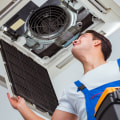
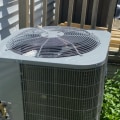
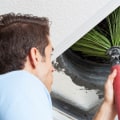
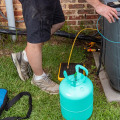
Another important factor involves the condition of the HVAC system itself. Dirty evaporator coils, clogged drain pans, neglected ductwork, and malfunctioning blowers can all reduce system performance while allowing contaminants to circulate throughout the building. Dust buildup inside ducts may not always require cleaning, but leaks within the duct system can draw pollutants from attics, crawl spaces, garages, or wall cavities into occupied rooms. Likewise, improperly balanced airflow may leave certain rooms stuffy while others receive excessive conditioned air, creating uneven comfort and reducing overall efficiency. Routine inspections help identify these issues before they develop into larger problems that affect both indoor comfort and equipment longevity. Professional maintenance often includes checking airflow, cleaning critical components, inspecting refrigerant performance, verifying thermostat operation, and ensuring every part of the HVAC system functions together as intended rather than focusing solely on replacing disposable filters.
Daily Habits Matter Just as Much
Occupant behavior also has a surprisingly significant impact on indoor air quality. Simple habits such as removing shoes at the entrance, regularly vacuuming with HEPA-equipped cleaners, controlling pet shedding, minimizing indoor smoking, and using kitchen exhaust fans while cooking can substantially reduce airborne contaminants. Choosing low-VOC paints, flooring, furniture, and cleaning products further limits the release of chemicals into indoor spaces. Seasonal pollen, wildfire smoke, construction activity, and nearby traffic can also influence indoor conditions, requiring different strategies depending on outdoor air quality. Ultimately, maintaining healthier indoor air is an ongoing process rather than a one-time maintenance task. Filter replacements remain an important part of HVAC care, but they work most effectively when combined with proper moisture control, routine equipment maintenance, thoughtful building management, and everyday habits that reduce pollutant sources. Taking this comprehensive perspective leads to cleaner air, greater comfort, improved energy efficiency, and a healthier indoor environment for everyone who occupies the space.